Exercise and digestion support each other: regular movement helps food and stool move through the gut, while badly timed meals or very hard efforts can cause cramps, reflux or an urgent bathroom trip. Most people can avoid trouble by choosing the right activity, eating at the right time and drinking enough. This DigestivEaz guide shows how, and our DigestiveAZ.com patient guide covers what to do when symptoms need a specialist.
Key Takeaways
- Regular, moderate activity can help prevent and relieve constipation.
- Leave two to three hours between a large meal and hard exercise.
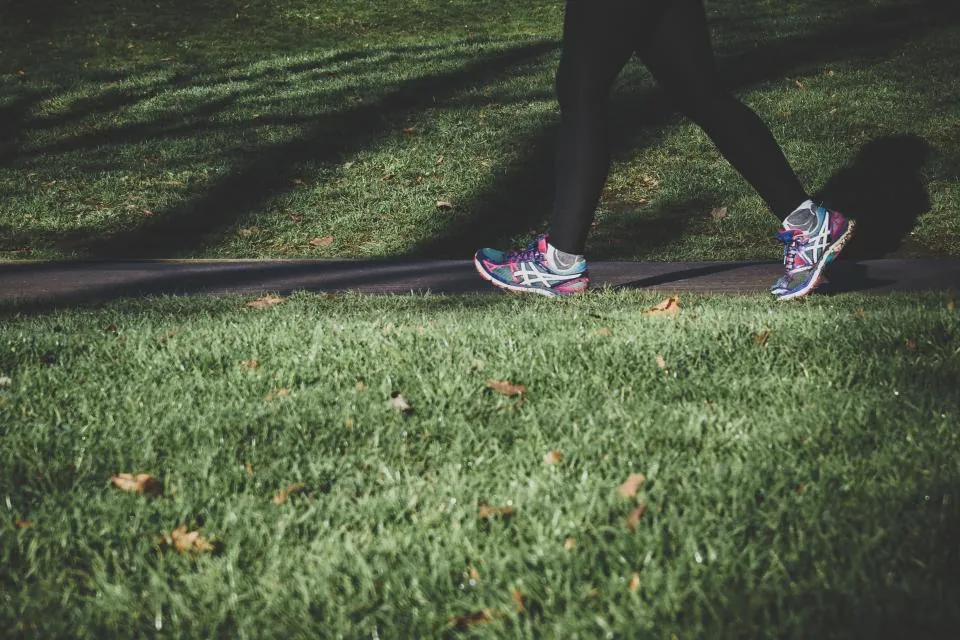
- Gentle activity after eating, such as walking, is usually comfortable.
- Long or high-intensity sessions are the most likely to upset the stomach.
Why Movement Helps Your Gut
Physical activity stimulates the muscles of the intestines, which helps stool move along instead of sitting in the colon and drying out. The NIDDK lists regular physical activity among the steps that may relieve constipation, alongside fiber and fluids.
Activity also helps with weight management, which matters because extra weight around the abdomen is linked to reflux, and it lowers stress, which affects the gut through the brain-gut connection. The Physical Activity Guidelines for Americans recommend at least 150 minutes of moderate aerobic activity a week for adults, plus muscle-strengthening activity on at least two days.
Good Choices for a Sensitive Stomach
- Walking, especially a 10 to 15-minute stroll after meals.
- Cycling at an easy, steady pace, indoors or outdoors.
- Swimming or water aerobics, which are also gentle on the joints.
- Yoga and stretching routines that avoid deep twists and inversions right after eating.
- Light strength training with controlled breathing.
Timing Meals and Workouts
Digestion needs blood flow. During hard exercise, the body sends more blood to working muscles and less to the gut, so a heavy meal can sit uncomfortably or cause cramping. Timing makes a big difference.
| Time before exercise | What usually works | Why |
|---|---|---|
| 2 to 3 hours | A normal balanced meal | Gives the stomach time to empty |
| About 1 hour | A small snack such as a banana or toast | Quick energy that is easy to digest |
| Under 30 minutes | Water, or nothing if your stomach is sensitive | Avoids sloshing and cramps |
| After exercise | A meal or snack with protein and carbohydrate | Supports recovery once breathing settles |
These are general starting points. Everyone’s tolerance is different, so experiment with timing on easy days rather than before an important event.
Why Some Workouts Upset the Stomach
Runners and other endurance athletes often talk about “runner’s gut”: cramps, nausea or diarrhea during or after long or intense sessions. The jostling of running, reduced blood flow to the gut, dehydration and concentrated sports drinks or gels can all play a part.
Reflux During Exercise
Exercises that squeeze the abdomen or put you head-down, such as crunches, heavy lifting and some yoga poses, can push stomach contents up toward the esophagus. If you get heartburn, try those moves on an emptier stomach.
Side Stitches
A side stitch is a sharp pain just below the ribs that often appears with fast breathing or exercising soon after eating. Slowing down, breathing deeply and gently stretching the affected side usually helps it pass.
Practical Fixes
- Build up distance and intensity gradually over several weeks.
- Drink regularly, especially in hot weather; our guide to hydration and digestion in Arizona heat explains why.
- Limit high-fat, high-fiber and very spicy foods in the few hours before a hard session.
- Test sports drinks and gels in training before relying on them in an event.
- Know where restrooms are on your route.
A Simple Weekly Routine
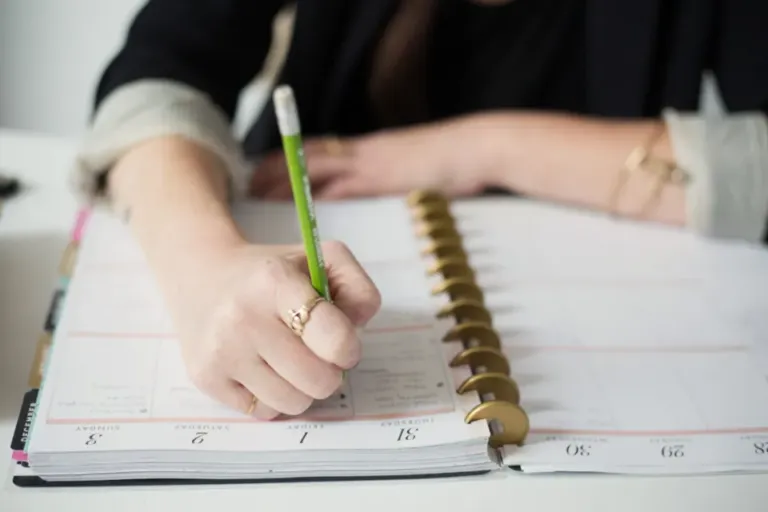
If you are starting from a low level of activity, aim for consistency rather than intensity. A realistic first week might include three brisk 20 to 30-minute walks, two short strength sessions using body weight or light dumbbells, and one gentle yoga or stretching session. Spread the sessions out, schedule them at times when your stomach feels settled, and keep at least one easy day for rest.
Gentle movement can also help when you feel bloated. Many people find that a slow walk or light stretching helps trapped gas pass more easily, which is one reason a short stroll after a large meal often feels better than sitting on the sofa.
Exercise, Sleep and Recovery
Hard training without enough rest can leave you tired and more prone to stomach upsets. Good-quality sleep supports recovery, appetite and digestion, and our article on sleep and digestion shares evening habits that help you wake up refreshed.
When to Check With a Doctor
Talk to a doctor before starting a new exercise program if you have a heart, lung or digestive condition, recent surgery or a hernia. Seek medical advice if exercise regularly brings on severe pain, bloody diarrhea, black stools, chest pain or vomiting. Our guide on how to describe digestive symptoms can help you explain what happens and when.
You will find more practical health guides on the DigestivEaz home page, in our Fitness section and in Physical Health.
Frequently Asked Questions
Is It Good to Walk After Eating?
For most people, yes. A gentle 10 to 15-minute walk after a meal can help digestion along and may ease bloating and fullness. Keep the pace easy enough that you can talk comfortably, and save brisk or hilly walks for when your meal has had time to settle.
How Long Should I Wait to Exercise After a Meal?
A common guide is two to three hours after a large meal and about an hour after a small snack before hard exercise. Light activity such as walking is usually fine sooner. Tolerance varies, so test different timings on easy training days and adjust to what suits your stomach.
Can Exercise Help With Constipation?
Regular physical activity can help the bowel keep a steady rhythm and may relieve constipation, especially when combined with enough fiber and fluid. Walking, cycling and swimming all count. If constipation lasts for weeks, keeps coming back or comes with pain or bleeding, see a doctor.
Why Do I Get Diarrhea When I Run?
Running jostles the intestines, reduces blood flow to the gut and can dehydrate you, all of which can speed things up. Eating less fiber and fat before runs, drinking enough and testing gels in training often help. See a doctor if it happens often or is severe or bloody.