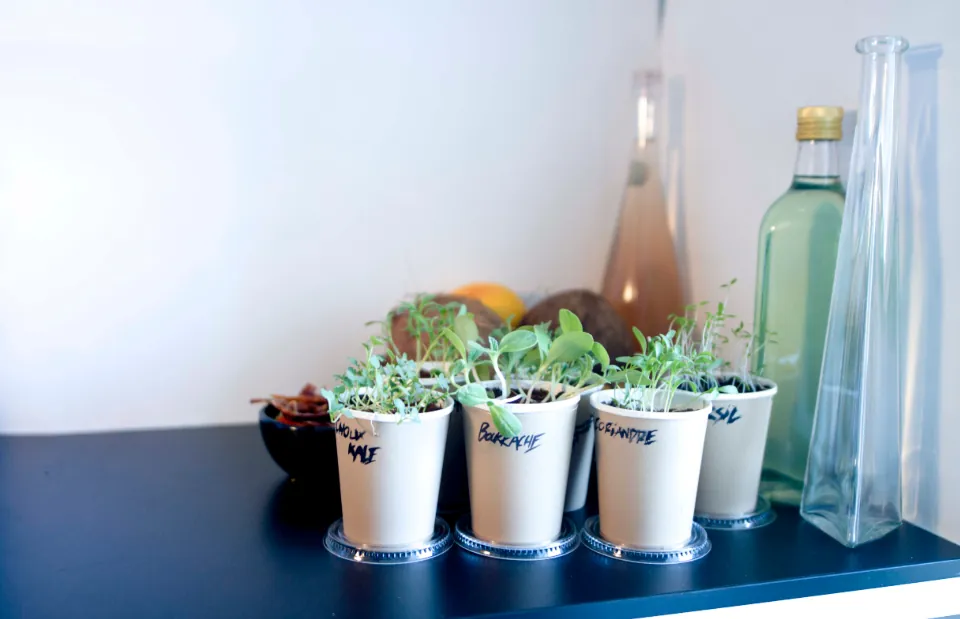
Growing herbs at home is one of the easiest ways to start a garden: most culinary herbs need plenty of sun, well-drained soil and regular harvesting, and many thrive in pots on a windowsill or balcony. Fresh herbs also make it easier to cook flavorful, gut-friendly meals with less salt and fewer heavy sauces.
In this DigestivEaz guide, we cover which herbs to start with, how to care for them and simple ways to use them in everyday cooking. For guides on digestive care and GI appointments, see our DigestiveAZ.com patient guide.
Key Takeaways
- Most culinary herbs need about six hours of sun a day and soil that drains well.
- Basil, parsley, chives, mint, thyme and rosemary are reliable choices for beginners.
- Grow mint in its own pot, because it spreads quickly.
- Fresh herbs add flavor so you can rely less on salt, butter and rich sauces.
- Peppermint may make heartburn worse for some people, so notice how your body responds.
Choosing a Spot and a Container
Sunlight is the most important factor. Most kitchen herbs grow best with at least six hours of direct sun a day, so a bright, south- or west-facing windowsill, balcony or patio is ideal. Indoors, a small grow light can make up the difference in winter.
Good drainage matters almost as much. Choose pots with drainage holes, use a quality potting mix rather than garden soil, and empty saucers after watering so roots never sit in water. The University of Illinois Extension’s herb guide notes that many herbs can be grown in containers outdoors in summer and moved to a sunny spot indoors before cold weather arrives.
Easy Herbs for Beginners
| Herb | Growing Needs | Kitchen Uses |
|---|---|---|
| Basil | Warm sun; protect from frost | Tomato dishes, pesto and salads |
| Parsley | Sun or light shade; steady moisture | Grain bowls, soups and sauces |
| Chives | Sun; very easy to grow | Eggs, potatoes and a mild onion flavor |
| Mint | Sun or part shade; keep in its own pot | Tea, yogurt dips and fruit salads |
| Thyme | Full sun; let the soil dry between waterings | Roasted vegetables, beans and soups |
| Rosemary | Full sun; well-drained soil | Roasted potatoes, chicken and bread |
Start with two or three herbs you already use. You are more likely to look after plants that you cook with every week.
Planting and Everyday Care
Herbs are forgiving, but a few habits keep them healthy and productive:
- Start with young plants from a garden center, or sow seeds of fast growers such as basil and parsley.
- Water when the top inch of soil feels dry, rather than on a fixed schedule.
- Feed container herbs lightly with a balanced fertilizer every few weeks during the growing season.
- Pinch off basil flowers as they appear, so the plant keeps producing leaves.
- Harvest often from the tips, and never remove more than about a third of the plant at once.
Mediterranean herbs such as rosemary, thyme and oregano prefer drier soil, while basil, parsley and mint like more regular watering. Grouping plants with similar needs makes care much easier.
Cooking With Herbs for Better Digestion
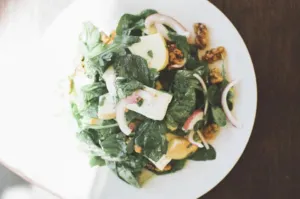
Fresh herbs bring big flavor with very few calories, which makes it easier to cut back on salt, butter and heavy sauces. That can help if rich, fatty meals tend to leave you uncomfortable. Herbs also encourage you to cook more vegetables, beans and whole grains, which are all good sources of the fiber your gut needs.
A few gut-friendly ideas to try:
- Stir chopped parsley and lemon juice into a bean or lentil salad.
- Toss roasted vegetables with torn basil and a drizzle of olive oil.
- Use chives instead of raw onion if onion tends to give you gas.
- Make a cooling yogurt dip with mint and cucumber.
If you enjoy plating your dishes, our food photography basics will help you capture those fresh green garnishes.
A Note on Mint and Heartburn
Mint is easy to grow and pleasant in tea, but it does not suit everyone. Peppermint is thought to relax the muscle between the stomach and the esophagus, and the National Center for Complementary and Integrative Health lists heartburn among the possible side effects of peppermint oil. If you have frequent reflux, notice how mint affects you, and read our guide on GERD and heartburn for advice on when to see a doctor.
Washing and Storing Your Harvest
Even home-grown herbs should be rinsed before eating. Wash them under cool running water just before use and pat them dry with a clean towel.
Store soft herbs such as parsley like a bunch of flowers, with the stems in a glass of water. Keep basil at room temperature, because cold can turn its leaves black. Wrap hardy herbs like thyme and rosemary in a slightly damp paper towel in the fridge, or chop extra herbs and freeze them in ice cube trays with a little olive oil or water.
Familiar flavors help on the road too, and our guide to eating well while traveling shares tips for keeping meals balanced away from home. Discover more projects in our home and garden section, explore our gut health articles, or visit DigestivEaz for more practical guides.
Frequently Asked Questions
What Are the Easiest Herbs to Grow at Home?
Chives, mint, parsley, basil and thyme are among the easiest herbs for beginners. They grow well in pots, recover quickly after harvesting and are used in many everyday dishes. Give them a sunny spot, a pot with drainage holes and water only when the top of the soil feels dry.
Can I Grow Herbs Indoors All Year?
Yes, many herbs grow indoors if they get enough light. Place pots in your sunniest window and rotate them every few days so they grow evenly. In winter, or in rooms with limited sun, a small LED grow light used for several hours a day keeps herbs from becoming leggy and pale.
Which Herbs Are Good for Digestion?
Herbs mainly help digestion indirectly, by adding flavor so you can use less salt and fat and enjoy more vegetables, beans and whole grains. Mint tea is a traditional remedy that some people find soothing, but the evidence is limited. If you have ongoing digestive symptoms, see a doctor rather than relying on herbs.
Why Are My Herbs Turning Yellow?
Yellow leaves are most often caused by overwatering or poor drainage, which damages the roots. Check that the pot has drainage holes, let the top of the soil dry before watering again and empty saucers after watering. Too little light or a lack of nutrients in old potting mix can also cause yellowing.