Gut-friendly meal prep means cooking a few fiber-rich, balanced dishes ahead of time and storing them safely, so a busy schedule does not push you toward heavy takeout or skipped meals. An hour or two at the weekend can cover most weekday lunches and dinners. These DigestivEaz hacks keep the process simple.
Key Takeaways
- Prep building blocks, such as grains, roasted vegetables and proteins, rather than identical meals.
- Add fiber gradually and pair it with plenty of fluid.
- Refrigerate cooked food within two hours and keep the fridge at 40°F (4°C) or below.
- Label containers with the date and eat most leftovers within three to four days.
Why Meal Prep Helps Digestion
Irregular eating, very large meals and last-minute fast food are common triggers for indigestion, bloating and constipation. Having ready meals in the fridge makes it easier to eat at regular times, keep portions moderate and include vegetables, fruit, whole grains and legumes.
The Dietary Guidelines for Americans encourage people to prioritize whole, nutritious foods and to limit highly processed foods and added sugars. Meal prep turns that advice into something you can actually grab on a Wednesday night.
Ten Meal Prep Hacks That Save Time
- Plan around three base recipes. One grain, one protein and one tray of vegetables can be mixed into many meals.
- Cook grains in bulk. Brown rice, quinoa, barley and oats keep well and add steady fiber.
- Roast two trays at once. Carrots, zucchini, sweet potato and peppers roast at similar temperatures.
- Batch-cook soups and stews. Lentil, vegetable or chicken soups freeze well in single portions.
- Prep breakfast in jars. Overnight oats with fruit and yogurt are ready when you are.
- Wash and chop produce once. Store cut vegetables in containers lined with a paper towel to absorb moisture.
- Use the freezer. Frozen vegetables, berries and portioned leftovers reduce waste.
- Keep sauces separate. Food stays fresher, and you can adjust spice or richness on sensitive days.
- Label everything. Write the dish and the date on each container.
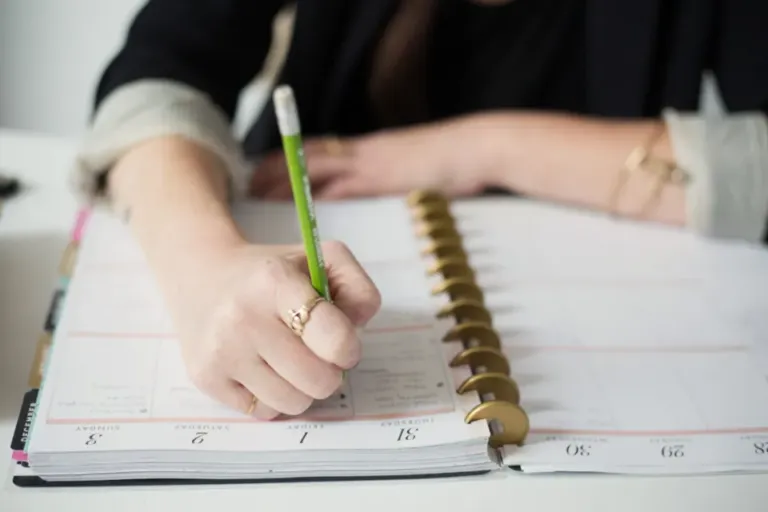
- Set a reminder. A weekly calendar slot turns prep into a habit rather than a chore.
Building a Gut-Friendly Plate
Fiber is the cornerstone of a digestion-friendly menu, but more is not always better overnight. Increasing fiber quickly can cause gas and bloating, so add a little more each week and drink water alongside it. Our guide to fiber for digestive health explains the different types and how much adults need.
| Component | Gut-friendly options | Prep tip |
|---|---|---|
| Whole grains | Oats, brown rice, quinoa, barley | Cook a big pot and cool it quickly |
| Vegetables | Carrots, spinach, zucchini, green beans | Roast or steam for a softer texture |
| Legumes | Lentils, chickpeas, black beans | Rinse canned beans to reduce sodium |
| Proteins | Chicken, fish, eggs, tofu | Season simply and add sauces later |
| Fermented foods | Plain yogurt, kefir | Add at serving time, not during cooking |
Adjusting for Sensitive Stomachs
If you have irritable bowel syndrome or another digestive condition, some high-fiber or gas-producing foods may bother you more than others. A doctor or registered dietitian can help you adapt your menu, for example with a short, supervised low FODMAP trial, rather than cutting out whole food groups on your own.
Equipment That Makes Prep Easier
A few basic tools make prep faster: two large sheet pans for roasting, a big pot for grains and soups, and a set of shallow, lidded containers that stack neatly in the fridge. Freezer bags laid flat save space, and a roll of masking tape with a marker is the cheapest labeling system there is.
Storing Prepped Food Safely
Food safety is part of gut health, because foodborne illness is a common cause of sudden stomach upset. The FDA advises keeping the refrigerator at or below 40°F (4°C) and not leaving perishable food at room temperature for more than two hours, or one hour when the air is above 90°F.
- Cool cooked food quickly by dividing it into shallow containers.
- Eat most refrigerated leftovers within three to four days, or freeze them.
- Reheat leftovers until they are steaming hot all the way through.
- Do not overpack the fridge, because cold air needs to circulate.
Calm, regular meals are easier to digest, so prepped food pairs well with our mindful eating tips.
A Sample Weekday Plan
Here is how one prep session might stretch across five days: a pot of brown rice, a tray of roasted vegetables, baked chicken or tofu, and a lentil soup. Monday and Tuesday become rice bowls with vegetables and protein. Wednesday is soup with whole-grain bread. Thursday turns the remaining vegetables into an omelet or wrap, and Friday uses frozen portions. For a relaxed end to the week, our movie night snacks guide has lighter treat ideas.
Meal prep is flexible, and DigestivEaz readers often find that starting small works best: even two prepared lunches a week is progress.
When digestive symptoms persist despite good habits, our DigestiveAZ.com patient guide explains how specialist care in Scottsdale works. Find more ideas in our Life Hacks section and the Gut Health category.
Frequently Asked Questions
How Long Does Meal Prep Last in the Fridge?
Most cooked meals and leftovers should be eaten within three to four days when kept at 40°F (4°C) or below. Freeze any portions you will not eat in that time. If food smells or looks unusual, throw it out, and always reheat leftovers until they are steaming hot throughout.
What Are Good Gut-Friendly Foods to Meal Prep?
Whole grains such as oats and brown rice, roasted or steamed vegetables, beans and lentils, and simple proteins like chicken, fish, eggs or tofu all prep well. Add yogurt or kefir at serving time. Increase fiber gradually and drink enough water to help your gut adjust comfortably.
Can Meal Prep Help With Bloating?
It can help indirectly. Regular, moderate meals are often easier on the gut than skipped meals followed by large ones, and preparing your own food lets you limit common triggers such as greasy or very rich dishes. If bloating is frequent or painful, ask a doctor about possible causes.
Is It Safe to Freeze Cooked Rice?
Yes, if you cool it quickly and freeze it promptly in sealed portions. Spread hot rice in a shallow container so it cools fast, refrigerate or freeze it within two hours, and reheat it until steaming hot. Avoid leaving cooked rice at room temperature for long periods.